Urgent flood cleaning Hackney fast response for homes
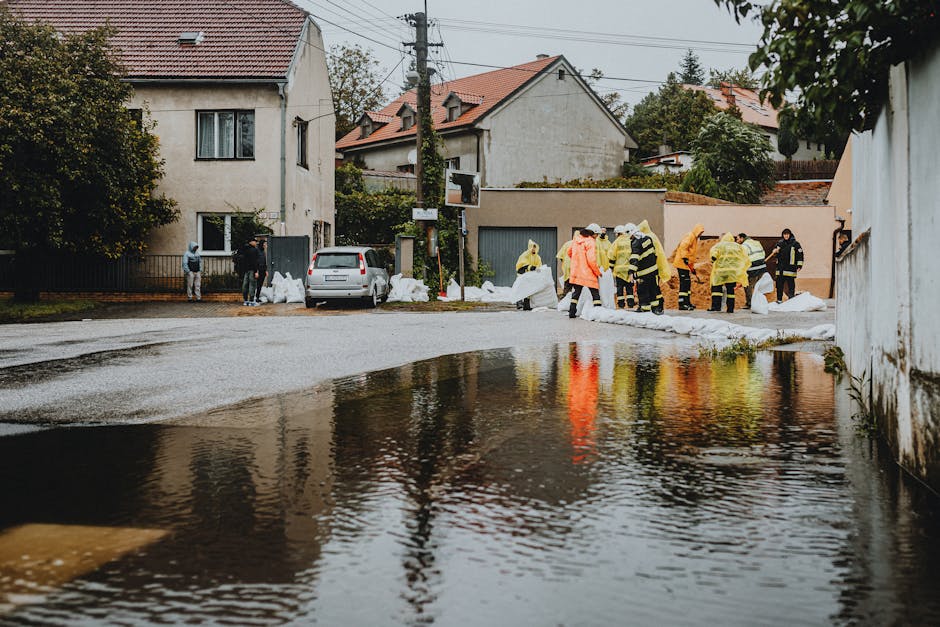
If water has spread through your hallway, kitchen, or living room, you do not have time for guesswork. Urgent flood cleaning Hackney fast response for homes is about getting the right help quickly, reducing damage, and making the property safe again before the problem gets bigger. In Hackney, where many homes have mixed flooring, older pipework, and tight access, a fast, calm response can make a real difference. The first hour matters. The first day matters even more.
This guide explains what urgent flood cleaning involves, how the process usually works, what to do before a cleaner arrives, and how to avoid the small mistakes that turn a manageable water incident into a much bigger headache. Let's face it, nobody plans for a burst pipe on a Tuesday night.
Why Urgent Flood Cleaning Hackney fast response for homes Matters
Flooding inside a home is not just a cleaning issue. It is a timing issue, a safety issue, and often a materials issue. The longer water sits, the more it can soak into skirting boards, underlay, plaster, chipboard flooring, soft furnishings, and hidden voids. That trapped moisture can lead to odours, staining, mould growth, warped surfaces, and a repair bill that keeps climbing.
In Hackney homes, the problem can move fast because water does not need much space to travel. It follows floor gradients, leaks through ceiling joints, and runs under fitted units before you even notice where it started. A small leak under a sink can spread into adjacent rooms. A washing machine overflow can turn into a carpet-loss situation surprisingly quickly.
Fast response cleaning matters because it does three things at once:
- removes standing water and surface contamination
- reduces the risk of secondary damage
- helps you assess what can be saved and what needs specialist attention
There is also a human side to this. A flooded home is stressful, messy, and oddly loud in a way people do not expect. Drips in the ceiling. A damp smell that hits you as soon as you open the door. The soft squelch of a carpet underfoot. It can feel overwhelming, but the right response puts order back into the situation quite quickly.
How Urgent Flood Cleaning Hackney fast response for homes Works
Most urgent flood cleaning jobs follow a straightforward sequence, even if the scene looks chaotic at first. The goal is not just to mop up what you can see. It is to stabilise the property, reduce contamination, and prevent moisture from lingering where it should not.
1. Initial assessment
The cleaner or technician will first identify the source of the water if it is still active. That might mean a burst pipe, an overflowing appliance, rainwater entry, or a leak from above. If the water source is still running, it must be isolated or stopped before any real cleaning begins.
2. Safety checks
Electrical safety comes first. Water and electricity are a bad combination, and it is not worth taking risks with sockets, extension leads, or appliances in the affected area. In a real situation, this is the moment when people should stop using the room and avoid walking through standing water if there are electrical fittings nearby.
3. Water extraction and surface clearing
Standing water is removed using suitable equipment, and affected items are moved or protected if they can be salvaged. Light debris, mud, broken materials, and loose contamination are cleared away. If carpets or upholstery are involved, careful decisions are made about whether drying is realistic or whether replacement is the safer route. A wet sofa, for example, is not always a lost cause, but it does need a sober assessment rather than optimism.
4. Targeted cleaning and sanitising
Depending on the source of the water, the area may need cleaning with appropriate detergents or disinfectant methods. Clean water from a supply leak is very different from water that has picked up dirt, waste, or garden soil. The right method depends on the type of contamination, the surface, and how long the area has been wet.
5. Drying and monitoring
Drying is often the real work. Air movement, dehumidification, and open access to affected areas are essential. It is not enough to make the floor look dry. Moisture can remain under flooring, inside walls, or within soft materials. That is where follow-up checks become important.
For homeowners who want broader support with deep surface recovery after water damage, a deep cleaning service can be useful once the immediate flood problem has been brought under control. If carpets have taken the hit, professional carpet cleaning is often one of the next sensible steps.
Key Benefits and Practical Advantages
The biggest benefit of rapid flood cleaning is simple: it stops the problem from getting worse. But there are several practical advantages that matter just as much.
- Faster recovery: you can get back to normal life sooner, which is no small thing when the kitchen or bedroom is out of action.
- Less damage to finishes: wood, paint, plaster, and textiles are easier to save if treated promptly.
- Lower risk of persistent odour: damp smells are stubborn once they settle in.
- Better chance of keeping furnishings: early action can sometimes save rugs, sofas, mattresses, and upholstery.
- More accurate repair decisions: when the area is cleaned and assessed properly, you know what truly needs replacing.
There is also a knock-on benefit many people miss: fast cleaning reduces the emotional drag of living around a damaged room. No one wants to keep walking past wet towels, fans, and bins of salvageable belongings for a week. A tidy, methodical response helps the home feel manageable again.
If the flood has affected furniture, it may be worth looking at targeted services such as sofa cleaning or upholstery cleaning after the area is stable. Soft furnishings absorb moisture differently from hard surfaces, so they need their own assessment.
Who This Is For and When It Makes Sense
This kind of service is for homeowners and tenants who need immediate help after an indoor flood or major water spill. That might sound obvious, but the trigger events are more varied than people expect.
- burst pipes or leaking supply lines
- overflowing baths, toilets, sinks, or appliances
- roof leaks after heavy rain
- water tracking in through doors, windows, or basement areas
- condensation-related saturation in poorly ventilated rooms
- minor flooding that has already started to smell damp
It also makes sense if you are dealing with a rental property, preparing a home for sale, or trying to protect a deposit. Water damage does not respect schedules, unfortunately. If the property is between occupants, a move in cleaning or move out cleaning job can sometimes be combined with flood recovery once the wet area is safe and dry enough to work on.
If the incident is broad and the home needs a full reset rather than one-room attention, one-off cleaning can be a useful follow-up once drying and repairs are under way. And if the issue has affected a property used for guests, Airbnb cleaning may be relevant after the damage is resolved, especially when quick turnaround matters.
Truth be told, not every flooded room needs the same response. A few millimetres of clean water on a tile floor is very different from grey water soaking a lounge carpet for several hours. That distinction changes everything.
Step-by-Step Guidance
If you are facing a flood right now, stay calm and work through the situation in order. The job gets easier when the steps are clear.
- Stop the source if you can do so safely. Turn off the water supply or isolate the appliance if that is within reach and safe to access.
- Switch off electricity to affected areas if there is any risk. Do not touch sockets, plugs, or appliances if water is nearby.
- Move people and pets out of the wet area. Slippery floors and contaminated water are a bad mix.
- Remove dry, salvageable items. Books, cushions, chargers, baskets, rugs, and lightweight furniture should be moved to a dry room.
- Photograph the damage. This helps if you need to discuss the incident with an insurer, landlord, or contractor.
- Blot or lift standing water only if it is safe. Towels and mops can help with small amounts, but they are not a substitute for proper extraction.
- Open access for drying. If conditions are safe, open internal doors and improve airflow.
- Arrange professional help quickly. A fast-response cleaner can assess what needs urgent extraction, cleaning, and drying.
- Monitor for hidden moisture. Watch for damp smells, cold patches, or renewed staining over the next few days.
One useful tip: keep a clear path to the affected room. It sounds basic, but nobody wants to be stepping over laundry baskets and chairs while carrying equipment or handling wet items. Simple access saves time and reduces the mess.
Expert Tips for Better Results
After a few flood jobs, the same truths come up again and again. The homeowners who recover fastest are usually the ones who avoid delay and avoid overhandling the damage.
- Act before the smell changes. A light damp odour can become a stale, musty problem very quickly.
- Do not assume a surface is dry because it looks dry. Underlay and skirting boards hold moisture longer than people think.
- Separate clean items from contaminated ones. This prevents spreading dirt or bacteria to unaffected belongings.
- Use ventilation sensibly. Airflow helps, but opening everything to outside air during heavy rain is not always wise. A bit of judgement helps here.
- Keep cleaning chemicals modest and appropriate. More product is not always better. In fact, it can make rinsing and drying harder.
If rugs were affected, quick attention matters because fibres trap moisture and odour. A dedicated rug cleaning service can be a better choice than trying to dry everything on the floor yourself. Similarly, mattresses need careful handling and should never be treated casually after water exposure; mattress cleaning becomes relevant only when the item is genuinely salvageable and safe to clean.
And one slightly unglamorous truth: wet vacuuming a room in your socks is rarely the heroic solution people imagine. It is usually just cold, awkward, and not very effective.
Common Mistakes to Avoid
Flood recovery gets harder when people act too quickly in the wrong direction. The good news is that most mistakes are avoidable.
- Using electrical appliances in a wet room. Fans, heaters, and vacuum cleaners can be dangerous if used carelessly.
- Waiting too long to call for help. Water damage spreads quietly, then suddenly becomes visible.
- Scrubbing contaminated water deeper into carpets or fabric. That can push the problem further down into the material.
- Throwing everything away too fast. Some items can be saved after proper cleaning and drying.
- Ignoring hidden areas. Behind cupboards, under appliances, and along wall edges are all common problem spots.
- Not recording the damage. Even if you are not making an insurance claim, a few clear photos help later.
Another common slip is treating every flood the same. Clean water, grey water, and sewage-affected water are not handled in the same way. If you are not sure what kind of water you are dealing with, be cautious and err on the side of more protection, not less.
Tools, Resources and Recommendations
The right tools make urgent flood cleaning faster and safer. You do not need a warehouse full of equipment, but a few items are genuinely useful in the first stage.
| Tool or item | What it helps with | Why it matters |
|---|---|---|
| Microfibre cloths and towels | Blotting small spills and lifting residual moisture | Quick, gentle, and easy to replace |
| Mop and bucket | Picking up shallow surface water | Useful for tiled floors and hard surfaces |
| Plastic sheeting or bin bags | Protecting clean items | Stops the damage spreading while you work |
| Dehumidifier | Reducing moisture in the air | Important for drying after extraction |
| Good lighting | Spotting staining and edge damage | Hidden water is easier to miss in dim rooms |
| Protective gloves and footwear | Keeping hands and feet safer | Helpful even for seemingly small incidents |
After the emergency stage, the most useful service is often a broader restorative clean. Depending on what has been affected, that might mean domestic cleaning for lived-in homes, house cleaning for a wider property reset, or targeted upholstery, carpet, and window work if splashback or damp has marked nearby surfaces.
If the flood was linked to renovation dust, broken materials, or a messy aftermath from work in the home, after builders cleaning can be a practical next step. It is a bit different from flood cleaning, but the overlap is real when damage and disruption happen together.
Law, Compliance, Standards, or Best Practice
Flood cleaning in a home is mainly a practical service, but it still sits within important UK best-practice expectations around safety, property care, and contamination control. The exact requirements depend on the nature of the water, the building, and whether anyone is responsible for repairs, insurance, or tenant-landlord communication.
At a minimum, safe practice usually means:
- avoiding electrical risks around wet areas
- using suitable protective equipment where contamination is possible
- disposing of waste responsibly
- working in a way that does not spread contamination to clean rooms
- being honest about what can and cannot be fully restored
If the incident has affected a rented home, it is sensible to record the damage and inform the relevant parties promptly. If there is a claim involved, keep notes of what happened, when it was discovered, and what action was taken. That kind of basic record-keeping can save a lot of back-and-forth later.
Health and safety also matters during the clean itself. A responsible provider should have clear procedures and insurance arrangements. If you are comparing options, it is sensible to review pages such as health and safety policy details, insurance and safety information, and terms and conditions before booking. That is not overcautious. It is just sensible.
Options, Methods, or Comparison Table
Not every flood response needs the same method. The best approach depends on how much water entered the property, how long it sat there, and what the surface is made of.
| Method | Best for | Limitations | Typical outcome |
|---|---|---|---|
| DIY towel and mop clean-up | Very small, clean spills on hard floors | Poor for hidden moisture and carpets | Useful only as a first aid step |
| Fast-response flood cleaning | Urgent home incidents with standing water or saturation | May still need follow-up drying or repairs | Removes water and stabilises the home |
| Deep cleaning after drying | Homes that need a full reset after the incident | Should not begin before the area is safe and dry enough | Improves hygiene, appearance, and comfort |
| Targeted soft furnishing cleaning | Rugs, sofas, upholstery, and similar items | Not always suitable if water contamination was severe | Can rescue items that would otherwise be replaced |
In practice, the best result often comes from combining methods in the right order. First the water is removed. Then the property is dried. Then specific items are cleaned. Then the whole home is refreshed if needed. Simple, but not always easy while your kitchen floor is still damp and the kettle is sitting on the table for no reason at all.
Case Study or Real-World Example
Here is a realistic example. A homeowner in Hackney returns after a short trip and finds water pooling from under a sink cabinet. The leak appears to have been running for a few hours, maybe longer. The laminate near the unit is swollen, the under-sink cupboard smells damp, and the hallway runner has picked up moisture at the edge.
The first move is to stop the supply, isolate the area, and move dry items away from the spill. Next comes careful extraction, removal of damaged loose material, and a proper clean of the affected floor and cabinet area. The carpet edge in the hallway is assessed separately, because carpet can hide moisture even when it looks fine on top.
After drying, the homeowner books follow-up cleaning for the carpet edge and adjacent living area because the smell has begun to spread slightly. That is where a focused carpet cleaning visit helps, followed by general home refresh work if the rest of the property now feels stale. The whole situation is still annoying, of course, but it becomes controllable rather than catastrophic.
The lesson? The faster you act, the more options you keep.
Practical Checklist
Use this checklist if you need a quick reset during a flood emergency.
- Turn off the water source if it is safe
- Switch off electricity in the affected zone if needed
- Keep people and pets away from the wet area
- Move dry valuables out of harm's way
- Take clear photos of the damage
- Do not use appliances in standing water
- Open access for airflow if conditions allow
- Separate contaminated items from clean ones
- Arrange urgent professional cleaning support
- Follow up on drying and watch for odour or staining
Quick expert summary: the best flood recovery is usually calm, staged, and practical. Stop the source, keep things safe, remove water, dry thoroughly, then clean what remains. Rush the wrong part and you create more work later. Slow and steady is often what saves the home.
Conclusion
Urgent flood cleaning Hackney fast response for homes is about more than getting the floor dry. It is about protecting the structure of the home, reducing odour and contamination, and giving you a realistic path back to normal. In a city like London, where homes can vary so much from one street to the next, speed and judgement matter a lot.
If you are dealing with flooding now, focus on safety first, then stabilisation, then proper cleaning and drying. That order makes the job manageable. And if the aftermath has left carpets, sofas, or the wider property in need of a reset, you have options that go beyond a quick mop and a hopeful open window.
Get a free quote today and see how much you can save.
When the water is gone and the room is quiet again, the house starts to feel like yours once more. That bit matters, too.
Frequently Asked Questions
How fast should flood cleaning start after water damage in a home?
As quickly as possible. The sooner the water is removed and the area is dried, the better the chance of limiting damage, odour, and hidden moisture. Even a short delay can make carpets, underlay, and skirting boards harder to save.
Can I clean up a small flood myself?
For a very small clean-water spill on a hard floor, yes, you may be able to start safely with towels and mopping. But if water has reached carpets, walls, appliances, or electrics, professional help is usually the safer choice.
What should I do first when I find flooding in my house?
Stop the source if you can do so safely, then deal with electrical risk, then move people and valuables away from the wet area. After that, arrange urgent cleaning support and document the damage.
Is flood water always dangerous?
No, but it can become unsafe quickly. Clean supply water is different from water that has picked up dirt, waste, or outside contamination. If you are unsure what kind of water it is, treat it cautiously.
Will flood cleaning remove the smell of damp?
It often can, but only if the moisture is removed properly and the area is dried thoroughly. If water has soaked into hidden areas, the smell may return until those areas are fully addressed.
Can carpets be saved after flooding?
Sometimes, yes. It depends on the type of water, how long the carpet stayed wet, and what sits underneath it. Quick action gives the best chance of saving the carpet and underlay.
Do sofas and mattresses need special treatment after flooding?
Yes. Soft furnishings absorb water differently and can hold moisture deep inside. They need a careful assessment, and in some cases they may not be safe or practical to recover.
How do I know if hidden moisture is still present?
Look for cool patches, staining, lingering smells, or slight bubbling in surfaces. Even if the room looks fine, moisture can remain below the surface. Follow-up checks matter.
What kind of cleaning is usually needed after the flood dries?
It depends on what was affected. Some homes need targeted carpet or upholstery cleaning, while others benefit from broader domestic or deep cleaning once the area is safe and dry.
Can flood cleaning help with a rental property or deposit issue?
Yes, it can help show that you acted quickly and responsibly. Photos, notes, and prompt cleaning all make the situation easier to explain if a landlord, letting agent, or insurer needs details.
Should I open windows straight away after a flood?
Only if it is safe and the weather is suitable. Some airflow helps with drying, but opening up too much during heavy rain can make matters worse. A bit of judgement is needed here.
How do I choose a reliable flood cleaning service?
Look for clear safety information, sensible pricing guidance, and transparent service terms. It also helps if the provider explains what they can clean, what needs specialist repair, and how the process will work from start to finish.
For more general information about the company and service approach, you can also review about us and pricing and quotes before you decide. If you need to speak to someone directly, use the contact us page.