Commercial Cleaning: Creating Healthier, More Productive Workspaces
Commercial cleaning plays a major role in how a business looks, feels, and functions every day. From busy offices and retail stores to warehouses, medical clinics, and hospitality venues, professional cleaning services help keep spaces safe, presentable, and efficient. A clean environment supports better first impressions, reduces the spread of germs, and contributes to a more productive workplace. For many organizations, commercial cleaning is not just about appearance; it is part of a smart business strategy.
Today’s businesses face higher expectations from employees, customers, and visitors. Dust on surfaces, stained floors, or poorly maintained restrooms can quickly affect trust and comfort. That is why commercial cleaning services have become an essential investment for companies of all sizes. Whether you run a small office or a large facility, the right cleaning plan can help you maintain standards consistently while protecting your brand reputation.
In this article, we will explore what commercial cleaning includes, why it matters, how it differs from residential cleaning, and what to look for in a professional provider. You will also learn about common services, industry-specific needs, and the long-term benefits of hiring experts for commercial cleaning.
What Is Commercial Cleaning?
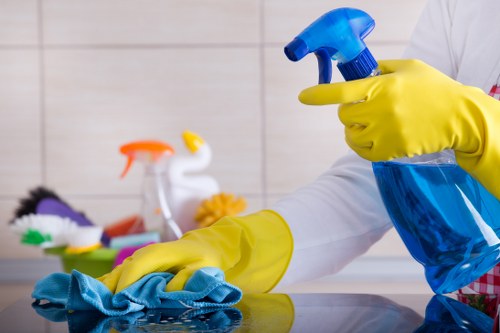
Commercial cleaning refers to professional cleaning services designed for business and institutional spaces. Unlike routine household cleaning, commercial cleaning is tailored to larger, higher-traffic environments that require specialized tools, training, and scheduling. These services can include daily office cleaning, floor maintenance, window washing, restroom sanitation, carpet care, and more.
One of the biggest strengths of commercial cleaning is its flexibility. Cleaning plans can be customized according to the type of property, the level of traffic, and the specific needs of the business. For example, a corporate office may need nightly cleaning, while a medical clinic may require frequent disinfecting throughout the day. The goal is to keep the environment consistently clean, safe, and professional.
Commercial cleaning also goes beyond basic tidying. It often includes tasks that require specialized equipment or cleaning agents, such as machine scrubbing floors, deep-cleaning upholstery, or handling high-touch disinfection. This makes it an essential service for businesses that want reliable cleanliness without placing extra strain on their in-house staff.
Why Commercial Cleaning Matters for Businesses
A clean workplace affects nearly every part of a business. Employees are more likely to feel comfortable and focused in a well-maintained environment, while clients and customers are more likely to trust a business that looks polished and organized. Commercial cleaning helps create that environment consistently.
There are also health and safety benefits. Dust, allergens, bacteria, and other contaminants can build up quickly in busy spaces. Regular cleaning reduces the risk of illness, improves indoor air quality, and helps prevent slips, trips, and other accidents. In industries where sanitation is critical, such as healthcare and food service, commercial cleaning is especially important.
From a financial perspective, routine cleaning can also protect assets. Carpets, flooring, furniture, and equipment last longer when they are cleaned and maintained properly. That means businesses can avoid premature replacement costs and preserve the appearance of their premises over time.
Key business benefits of commercial cleaning include:
- Improved workplace hygiene and sanitation
- More professional appearance for customers and visitors
- Reduced absenteeism due to a cleaner environment
- Longer lifespan of building materials and furnishings
- Better compliance with industry standards
Commercial Cleaning vs. Residential Cleaning
Although both services focus on cleanliness, commercial cleaning and residential cleaning are very different in practice. Residential cleaning is typically centered around homes and focuses on living spaces, personal belongings, and household routines. Commercial cleaning, on the other hand, is designed for business properties that often have more foot traffic, stricter requirements, and larger square footage.
Commercial cleaning teams often work outside normal business hours to avoid interrupting daily operations. They may also use specialized tools such as industrial vacuums, floor buffers, pressure washers, and high-grade disinfectants. In addition, commercial cleaning often requires a deeper understanding of compliance standards, safety procedures, and property-specific needs.
Another important difference is scale. A single office suite may need a different approach than a multi-floor office building, a warehouse, or a healthcare facility. Professional commercial cleaning providers know how to adjust their methods to match the space, schedule, and industry demands.
Common commercial cleaning tasks
Some of the most requested services in commercial cleaning include:
- Vacuuming and mopping floors
- Dusting desks, fixtures, and common areas
- Restroom cleaning and sanitizing
- Trash removal and recycling support
- Kitchen and breakroom cleaning
- Window and glass surface cleaning
- Carpet and upholstery maintenance
- High-touch surface disinfection
Types of Commercial Cleaning Services

Commercial cleaning is not a one-size-fits-all service. Different properties require different cleaning solutions, and reputable providers usually offer a wide range of options. This allows businesses to choose the services that best fit their schedule, budget, and operational needs.
1. Office cleaning
Office cleaning is one of the most common forms of commercial cleaning. It often includes dusting surfaces, vacuuming carpets, cleaning restrooms, emptying trash bins, and maintaining shared spaces such as kitchens and meeting rooms. The goal is to support productivity and keep the office looking professional every day.
2. Retail cleaning
Retail stores rely heavily on presentation. Clean floors, clear glass, dust-free shelves, and tidy fitting rooms all influence the customer experience. Commercial cleaning for retail spaces helps businesses create a welcoming atmosphere that encourages shoppers to stay longer and return more often.
3. Medical and healthcare cleaning
Medical facilities require a higher level of sanitation and attention to detail. This type of commercial cleaning often includes disinfecting waiting rooms, examination rooms, restrooms, and high-touch surfaces. Strict cleaning procedures help support infection control and patient safety.
4. Industrial and warehouse cleaning
Warehouses and industrial sites often face dust buildup, debris, and spills. Commercial cleaning in these environments may involve floor scrubbing, equipment-area cleaning, and trash management. Safety is a major concern, so proper cleaning helps reduce workplace hazards and improve operational efficiency.
5. Hospitality cleaning
Hotels, restaurants, and event venues depend on spotless environments to maintain guest satisfaction. Hospitality cleaning can include lobby maintenance, restroom sanitation, kitchen cleaning, and specialized attention to high-traffic areas. Cleanliness directly affects reviews, repeat business, and brand reputation.
Benefits of Hiring Professional Commercial Cleaning Services
Hiring professional commercial cleaning services offers practical advantages that go far beyond convenience. Business owners often find that outsourcing cleaning results in better consistency, higher standards, and fewer operational headaches. Instead of relying on employees to handle cleaning duties, companies can focus on their core work while trained specialists take care of the property.
One major benefit is reliability. Professional cleaners follow structured checklists and schedules, which helps ensure no task is overlooked. This consistency is especially valuable for businesses that need clean conditions every day or every week without fail. A reliable commercial cleaning service helps maintain quality across all areas of the property.
Another important advantage is expertise. Experienced commercial cleaners understand which products and methods are best for different surfaces, materials, and environments. That knowledge can help prevent damage to flooring, upholstery, glass, and fixtures. It also supports safer cleaning practices, especially in spaces that require disinfection or special handling.
Top benefits at a glance
- Consistent cleaning standards
- Improved workplace morale
- Less burden on employees
- Better customer experience
- Reduced maintenance issues over time
- Professional support for specialized cleaning tasks
Businesses often discover that commercial cleaning also improves time management. When cleaning responsibilities are outsourced, internal teams can stay focused on their main duties. This can lead to better workflow, fewer distractions, and a more efficient work environment overall.
How Commercial Cleaning Supports Workplace Health
A clean workplace is closely linked to healthier employees and visitors. Commercial cleaning helps reduce the spread of germs on commonly touched surfaces such as door handles, desks, light switches, elevator buttons, and shared equipment. Regular cleaning and disinfection can lower the risk of contamination in high-traffic spaces.
Indoor air quality is another important factor. Dust, pollen, and other particles can build up in carpets, vents, and furniture. Over time, this can affect comfort and trigger allergies or respiratory irritation. Frequent vacuuming, dusting, and deep cleaning help keep the air cleaner and the environment more pleasant.
Restroom sanitation is also essential. Poorly maintained restrooms can quickly become a source of discomfort and concern. Professional commercial cleaning keeps these spaces stocked, sanitized, and visually clean, which supports both hygiene and professionalism.
Health-focused cleaning practices may include
- Disinfecting high-touch surfaces regularly
- Using color-coded cleaning tools to reduce cross-contamination
- Maintaining proper waste disposal procedures
- Cleaning and sanitizing shared spaces and breakrooms
- Following industry-specific hygiene protocols
Choosing the Right Commercial Cleaning Company
Selecting a commercial cleaning company requires more than comparing prices. The best provider should understand your industry, offer flexible service options, and demonstrate a clear commitment to quality. Because commercial cleaning affects safety, appearance, and daily operations, businesses should take time to review their options carefully.
Start by looking at the company’s experience. A provider with a proven track record in commercial cleaning will likely be better prepared to handle your property’s unique needs. Ask whether they have worked with similar facilities, and whether they offer tailored plans for offices, retail locations, medical spaces, or industrial buildings.
It is also important to review their process. Reliable commercial cleaning companies usually provide detailed service scopes, trained staff, insurance coverage, and clear communication. These factors help set expectations and reduce the risk of misunderstandings.
What to look for in a provider
- Experience in your industry or property type
- Flexible scheduling options
- Use of safe and effective cleaning products
- Trained, professional cleaning staff
- Strong attention to detail
- Transparent service scope and pricing
Tip: A quality commercial cleaning partner should be able to adapt as your business grows or your cleaning needs change. That flexibility is often a sign of a dependable long-term service relationship.
Customizing Commercial Cleaning for Different Industries
Every industry has unique expectations, and commercial cleaning should reflect that. A standardized approach may be enough for some offices, but other environments require highly specific cleaning routines. Customization helps ensure that cleaning supports both compliance and daily operations.
Corporate offices
In offices, the main priorities are tidiness, hygiene, and a polished appearance. Services often focus on desks, conference rooms, common areas, and restrooms. Commercial cleaning in office settings is usually scheduled after hours or early in the morning to avoid interrupting work.
Healthcare settings
Healthcare facilities need rigorous sanitation. Cleaning schedules may include multiple disinfection rounds throughout the day, along with strict attention to patient-facing spaces. In these environments, commercial cleaning supports safety and confidence for both staff and patients.
Restaurants and food service
Food-related businesses must meet high cleanliness standards to maintain hygiene and prevent contamination. Cleaning may include dining areas, kitchens, food prep zones, restrooms, and waste disposal areas. Commercial cleaning helps support both compliance and customer satisfaction.
Educational facilities
Schools and training centers experience constant traffic from students, staff, and visitors. Regular commercial cleaning helps keep classrooms, hallways, cafeterias, and shared restrooms safe and presentable. Clean educational spaces also contribute to a more focused learning environment.
Industrial properties
Industrial spaces often require heavy-duty cleaning to control dust, manage debris, and maintain safety. In these settings, commercial cleaning may need to include floor care, machine-area cleaning, and spill response. The right cleaning plan can help reduce downtime and improve workplace safety.
The Role of Technology in Modern Commercial Cleaning
Technology has transformed the commercial cleaning industry in important ways. Modern cleaning companies often use advanced tools, software, and equipment to improve efficiency and consistency. This can result in better outcomes for businesses that need dependable service.
For example, equipment such as floor scrubbers, HEPA-filter vacuums, electrostatic sprayers, and microfiber systems can improve cleaning quality and reduce manual effort. Some providers also use scheduling and tracking software to monitor tasks, manage teams, and document service completion. These systems help create accountability and improve service delivery.
Green cleaning products are another major trend. Many businesses now prefer commercial cleaning solutions that reduce harsh chemicals while still delivering strong results. This can support employee comfort, environmental responsibility, and better indoor air quality.
Why modern tools matter
Using current tools and methods allows commercial cleaning companies to handle larger spaces more effectively and to maintain more consistent standards. It also means businesses can benefit from a service that is more efficient, safer, and easier to monitor.
How Commercial Cleaning Improves Brand Image
First impressions matter, and cleanliness is one of the first things people notice. A spotless lobby, fresh-smelling restroom, and polished floors communicate professionalism and care. Commercial cleaning helps businesses present themselves in the best possible light every day.
Customers often associate cleanliness with quality. When a space is well maintained, visitors are more likely to feel confident in the business behind it. This is especially important in industries like hospitality, healthcare, retail, and food service, where appearance and hygiene are closely linked to trust.
Employees also respond to the environment around them. Working in a clean, organized space can improve morale and create a stronger sense of pride in the workplace. Over time, this can support retention, teamwork, and a more positive company culture.
Commercial cleaning and professionalism
Commercial cleaning is often an invisible part of a business’s success, but its impact is easy to notice when it is missing. Investing in high-quality cleaning services helps businesses stay ready for clients, staff, inspections, and daily demands.
Building an Effective Commercial Cleaning Schedule
To get the most from commercial cleaning, businesses should create a schedule that matches their daily operations. Some tasks need to happen every day, while others can be handled weekly, monthly, or quarterly. A well-planned schedule keeps the property in good condition without wasting time or resources.
The right schedule depends on traffic levels, property type, and risk factors. A high-traffic lobby may need daily attention, while storage rooms may only need periodic cleaning. Commercial cleaning providers can help assess priorities and recommend the best service frequency.
It is also wise to review cleaning needs regularly. As businesses expand, change layout, or add new services, their cleaning requirements may shift. Adjusting the plan ensures the property stays aligned with current needs and standards.
- Daily: restrooms, trash removal, high-touch surfaces, entryways
- Weekly: dusting, vacuuming, kitchen areas, glass cleaning
- Monthly: floor detailing, upholstery care, deep sanitizing
- Quarterly: specialized deep cleaning and maintenance tasks
Commercial Cleaning as a Long-Term Investment
Some businesses think of cleaning as an overhead expense, but commercial cleaning is better understood as a long-term investment. The return comes in many forms: a safer workplace, a more attractive facility, fewer maintenance problems, and stronger customer confidence. Over time, those benefits can support growth and stability.
Clean environments also make operations smoother. When spaces are orderly and well maintained, staff can work more efficiently and visitors can move through the property with ease. In this way, commercial cleaning contributes to both performance and perception.
For businesses that want to stay competitive, maintaining cleanliness is not optional. It is part of delivering a professional experience every day. Whether the goal is to improve sanitation, protect assets, or strengthen brand image, commercial cleaning remains a practical and valuable solution.
Ready to improve your workplace environment? Contact us today to discuss commercial cleaning options that fit your business needs. Book your service now and give your space the professional care it deserves.