End of Tenancy Cleaning: A Complete, Practical, and SEO-Friendly Approach for Tenants and Landlords
End of tenancy cleaning is one of the most important tasks at the end of a rental agreement. Whether you are a tenant hoping to secure your full deposit or a landlord preparing a property for new occupants, proper end of tenancy cleaning can make a major difference. It is not just about making a home look tidy; it is about restoring the property to a professional standard that meets expectations, reduces disputes, and supports a smooth handover.
Many renters underestimate how detailed end of tenancy cleaning can be until the final inspection arrives. Kitchen grease, bathroom limescale, skirting board dust, carpet marks, and hidden dirt behind appliances can all affect the result. That is why a structured approach is essential. With the right planning, end of tenancy cleaning becomes much easier, more efficient, and far less stressful.
In this article, we will explore what end of tenancy cleaning includes, why it matters, how to prepare for it, and how to achieve a high standard of cleanliness. We will also look at practical room-by-room tasks, common mistakes, and how professional services can help when time is limited. If you want to leave a property in excellent condition, or prepare one for a new start, this topic is worth your full attention.
What Is End of Tenancy Cleaning?

End of tenancy cleaning refers to a deep, detailed clean carried out when a tenant is moving out of a rented property. Unlike regular weekly cleaning, this process focuses on every corner of the home, including areas that are often overlooked during normal upkeep. It usually includes scrubbing, descaling, degreasing, dust removal, and sanitising to bring the property back to a move-in ready condition.
The goal of end of tenancy cleaning is simple: leave the property as close as possible to the condition stated in the tenancy agreement, aside from reasonable wear and tear. In many cases, landlords and letting agents expect a professional-level finish. That is why end of tenancy cleaning often requires more time, attention, and equipment than a standard household clean.
This type of cleaning is especially important in competitive rental markets, where inventory reports and final inspections are used to assess property condition. A thorough end of tenancy clean can help reduce disagreements, avoid deductions, and show respect for the property and future occupants.
Why End of Tenancy Cleaning Matters

There are several reasons why end of tenancy cleaning matters. First and foremost, it can influence the return of your deposit. Many tenancy agreements state that the property must be returned in a clean condition. If the cleaning is not up to standard, the landlord may arrange for professional cleaning and deduct the cost from the deposit.
Second, end of tenancy cleaning helps maintain a positive relationship between tenants and landlords. A well-kept property reflects responsibility and care. Even when a tenancy ends, leaving the home in good condition sends a strong message and can make reference checks or future rental applications smoother.
Third, for landlords and property managers, end of tenancy cleaning is an important part of preparing the home for new tenants quickly. A clean, fresh property creates a better first impression, supports occupancy, and can reduce vacancy periods. A spotless property is always easier to market.
From both sides of the rental relationship, this final clean is a practical investment of time and effort.
How to Plan End of Tenancy Cleaning Effectively
Planning is the key to successful end of tenancy cleaning. A last-minute rush usually leads to missed spots, unnecessary stress, and lower-quality results. Instead, it is better to break the process into manageable steps and start as early as possible before moving day.
Begin by checking the tenancy agreement and inventory report. These documents often highlight expectations for cleanliness and can help you identify priority areas. Then, make a checklist of rooms and tasks. This helps ensure that nothing is forgotten during the final clean.
It is also useful to gather supplies in advance. Common cleaning products include multi-surface cleaner, bathroom descaler, glass cleaner, degreaser, microfiber cloths, sponges, mop, vacuum cleaner, and rubber gloves. Having everything ready saves time and makes the cleaning process more efficient.
Useful preparation steps
- Empty cupboards, drawers, and shelves before deep cleaning.
- Remove personal belongings and packed boxes from each room.
- Defrost the freezer at least a day before cleaning.
- Check for damaged items that should be reported separately.
- Keep windows open where possible to improve ventilation.
When the property is cleared and prepared, end of tenancy cleaning becomes far more manageable. You can then focus on details instead of working around clutter.
For larger homes or tight deadlines, some tenants prefer to schedule professional help. That can be a sensible choice when the move itself already involves packing, transporting, and administrative tasks. Good planning reduces the pressure significantly.
Room-by-Room End of Tenancy Cleaning Checklist
A room-by-room approach is one of the best ways to handle end of tenancy cleaning thoroughly. Each area of the property has different cleaning needs, so treating every room separately helps maintain structure and consistency. Below is a practical breakdown of what should usually be included.
Kitchen cleaning tasks
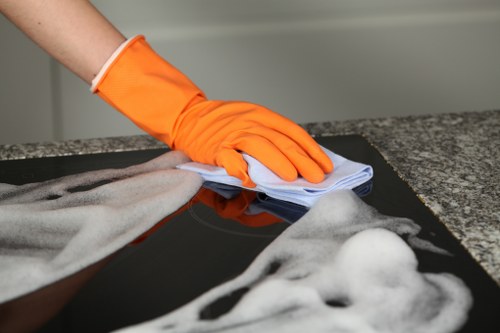
The kitchen is often the most demanding room during end of tenancy cleaning because grease, food residue, and appliance buildup are common. The oven, hob, extractor fan, fridge, freezer, cupboards, splashbacks, and sink all need attention.
- Clean the oven inside and outside, including trays and racks.
- Remove limescale from taps and sinks.
- Degrease cupboards, handles, and backsplash areas.
- Wipe the inside of the fridge, freezer, and dishwasher.
- Vacuum and mop floors carefully, including edges and corners.
Kitchen cleanliness is often a major inspection point, so it is worth spending extra time here. Pay attention to behind appliances and under removable items, as dirt tends to collect there.
Bathroom cleaning tasks
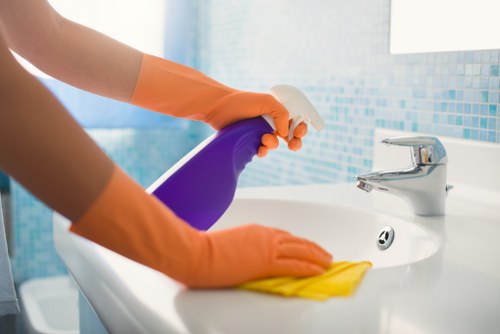
Bathrooms require strong cleaning focus because of soap scum, mould, hard water stains, and moisture. End of tenancy cleaning in the bathroom usually includes toilets, sinks, showers, baths, tiles, mirrors, cabinets, and floors.
- Descale shower screens, taps, and fixtures.
- Scrub grout and tile surfaces.
- Clean inside and outside of the toilet thoroughly.
- Polish mirrors and chrome fittings.
- Remove hair and debris from drains where accessible.
A fresh bathroom leaves a strong impression. It should look hygienic, smell clean, and appear well maintained. Even small marks can stand out in this room.
Living Areas, Bedrooms, and Hallways

Although living rooms and bedrooms may seem easier than kitchens and bathrooms, they still require careful attention during end of tenancy cleaning. Dust, cobwebs, fingerprints, carpet marks, and wall scuffs can all reduce the overall standard.
Start by dusting all surfaces, including shelves, furniture, skirting boards, radiators, and light switches. Clean inside wardrobes, drawers, and storage areas. Vacuum carpets thoroughly, paying attention to edges and under beds or sofas if they remain in the property. If the property has hard floors, mop them after vacuuming.
Hallways are often overlooked because they are transitional spaces, but they are one of the first areas a landlord or agent may notice. Clean door frames, handles, bannisters, and entryway floors carefully. Small details matter just as much as major cleaning tasks.
Bedroom and living room focus points
- Wipe down all internal windowsills and ledges.
- Remove marks from walls where possible without causing damage.
- Clean mirrors, picture frames, and decorative surfaces.
- Check behind furniture for dust and lost items.
- Ensure carpets are vacuumed in multiple directions for better results.
If carpets are heavily stained, professional steam cleaning may be needed. This is especially common in furnished rentals or homes with pets and children.
Windows, Fixtures, and Hidden Areas
One of the biggest differences between regular cleaning and end of tenancy cleaning is the level of detail expected in overlooked areas. Windows, light fixtures, vents, switches, and hidden corners can all affect the final inspection. These areas may not seem important day to day, but they play a major role in the overall finish.
Windows should be cleaned inside and, where safe and accessible, outside as well. Frames, sills, and ledges should be wiped down. Light fittings should be dust-free, and any cobwebs should be removed from ceilings and corners. Air vents and extractor fans also need cleaning, as dust buildup can make a property look neglected.
Do not forget behind appliances, under sinks, inside storage cupboards, and along the tops of cabinets. These places often collect dust and grime over time. Hidden dirt is one of the most common reasons end of tenancy cleaning inspections fail.
For a better result, use a torch or bright light to inspect shadowed areas. This makes it easier to spot residue, smudges, and dust that may otherwise be missed.
End of Tenancy Cleaning and Deposit Protection
Deposit protection is one of the most important concerns for tenants. A deposit is often held to cover unpaid rent, damage, or cleaning costs, and end of tenancy cleaning plays a direct role in whether deductions are made. If the property is returned in a very clean state, the chances of a full deposit return are much higher.
However, it is important to understand that cleaning alone will not resolve everything. If there is damage beyond fair wear and tear, such as broken fittings or deep scratches, these issues may still lead to deductions. Even so, strong end of tenancy cleaning can prevent additional disputes related to dirt, stains, and general neglect.
To protect your deposit, it is a good idea to compare the property’s condition with the check-in inventory. If you are unsure whether something counts as damage or normal wear, document it with photos and communicate clearly with the landlord or agent. A clean property supported by good records is the best combination.
Deposit-friendly habits
- Clean the property before removing all furniture, if possible.
- Repair minor issues early rather than waiting until the last day.
- Take dated photos after cleaning is complete.
- Keep receipts if you hire professional cleaners.
- Ensure all bins are emptied and waste is removed.
Should You Hire Professional End of Tenancy Cleaners?
Many tenants and landlords choose professional end of tenancy cleaning because it offers convenience, speed, and a higher standard of finish. Professional cleaners are familiar with what agents and landlords typically expect, and they often use equipment and products that produce better results than standard household tools.
Hiring professionals can be especially helpful when the property is large, the deadline is tight, or the tenant has limited time due to work, travel, or moving logistics. A professional service can also be useful if the property includes carpets, upholstery, ovens, or other items that need specialist attention.
That said, professional end of tenancy cleaning is not always necessary. If the property is small and you have time, energy, and suitable cleaning materials, a well-organized DIY clean can still achieve excellent results. The key is honesty about the level of work required. If the home has been heavily used, professional support may be the smarter option.
Advantages of professional cleaning
- Saves time during a busy moving period.
- Provides a more detailed and consistent finish.
- Can include specialist equipment for carpets and ovens.
- Reduces stress before the final inspection.
- May improve the chance of a full deposit return.
When choosing a service, make sure the company understands tenancy expectations and can provide a proper checklist. This helps ensure the work matches your landlord’s or agent’s standards. Not all cleaning services are the same, so attention to detail matters.
Common Mistakes to Avoid During End of Tenancy Cleaning
Even with the best intentions, people often make mistakes during end of tenancy cleaning. Some of these mistakes are minor, while others can lead to inspection problems or deductions. Knowing what to avoid can save both time and money.
One common mistake is leaving the cleaning too late. If you wait until the moving van is packed and the keys are nearly due back, you may not have enough time to clean properly. Another issue is focusing only on visible areas while ignoring hidden spots such as behind radiators or inside cupboards.
Using the wrong cleaning products can also cause problems. Harsh chemicals may damage surfaces, while weak products may not remove built-up grime. Always test products where necessary and follow manufacturer instructions carefully. Effective cleaning is as much about technique as it is about effort.
Other mistakes to avoid
- Forgetting to clean appliances from the inside.
- Ignoring limescale and mould in wet areas.
- Leaving bins, food, or personal waste behind.
- Missing skirting boards, doors, and handles.
- Failing to inspect the property after cleaning is finished.
How to Make End of Tenancy Cleaning Faster and Easier
There are several ways to make end of tenancy cleaning faster without reducing the quality of the result. The first is to clean systematically from top to bottom and from one room to the next. This prevents re-cleaning surfaces that have already been dusted.
Another useful strategy is to divide tasks among household members if several people are moving out together. One person can tackle the bathroom while another handles the kitchen or floors. This team-based approach can save a great deal of time.
Decluttering before cleaning also makes a major difference. Removing rubbish, packing boxes, and loose items first means cleaners can access all areas more easily. If you have cleaning supplies in multiple rooms, gather them into one caddy so you are not wasting time looking for tools. Efficiency comes from preparation and structure.
Time-saving tips
- Work from the highest surfaces down to the floor.
- Use microfiber cloths for faster dust removal.
- Let cleaning products sit for a few minutes before wiping.
- Open windows to speed drying time.
- Set a room-by-room timer to stay focused.
End of Tenancy Cleaning for Landlords and Letting Agents
Landlords and letting agents also benefit from understanding end of tenancy cleaning in detail. A clean and presentable property helps attract new tenants quickly and supports smooth turnover between tenancies. It can also reduce complaints from incoming occupants who expect a tidy, ready-to-live-in home.
For landlords, inspection standards are easier to maintain when tenants receive clear expectations at the beginning and end of a tenancy. Providing a cleaning checklist or referencing the inventory report can help set those expectations. This reduces ambiguity and creates a more transparent process for everyone involved.
Letting agents, meanwhile, often work to strict schedules. A reliable end of tenancy clean ensures the property is ready for marketing, viewings, photos, and new move-ins. Presentation matters in rental property management.
By encouraging good cleaning standards, landlords and agents can also protect the condition and value of their properties over time. Clean homes tend to reveal maintenance issues earlier, which makes repairs easier to plan and manage.
Final Thoughts on End of Tenancy Cleaning
End of tenancy cleaning is more than a simple tidy-up. It is a detailed process that can influence deposit returns, landlord relationships, property presentation, and the moving experience overall. When carried out properly, it helps ensure a clean transition from one occupant to the next.
Whether you are doing it yourself or hiring professionals, the most important factors are planning, attention to detail, and consistency. Focus on kitchens, bathrooms, floors, windows, fixtures, and hidden areas. Use a checklist, allow enough time, and inspect your work before handing back the keys.
If you are preparing to move soon, now is the right time to get organised. Contact us today to discuss your cleaning needs, or book your service now if you want a stress-free way to handle the final clean. A well-executed end of tenancy cleaning can save time, reduce hassle, and help you leave the property on the best possible terms.