Oven Cleaning in Modern Homes: Practical Methods, Benefits, and Maintenance Tips
Keeping your kitchen fresh and hygienic starts with one essential task: oven cleaning. Whether you cook daily or only occasionally, residue, grease, and burnt-on spills can quickly build up inside your appliance. Over time, that buildup can affect cooking performance, create unpleasant odors, and make your kitchen feel less inviting. A well-maintained oven not only looks better, but it also works more efficiently and supports safer, healthier meal preparation.
For many households, oven cleaning is one of the most postponed chores. It is easy to ignore until smoke appears, the glass turns cloudy, or food starts tasting slightly off. However, regular oven care can save time, reduce effort, and extend the life of the appliance. From quick wipe-downs to deep degreasing, the right approach depends on how often you use your oven and how much buildup has accumulated.
Clean ovens do more than improve appearance. They help prevent lingering odors, reduce smoke during baking, and support consistent temperatures. If you have been searching for practical ways to manage oven grease or wondering when to invest in professional assistance, this article covers everything you need to know about effective oven cleaning in a clear and reader-friendly way.
Why Oven Cleaning Matters for Every Home
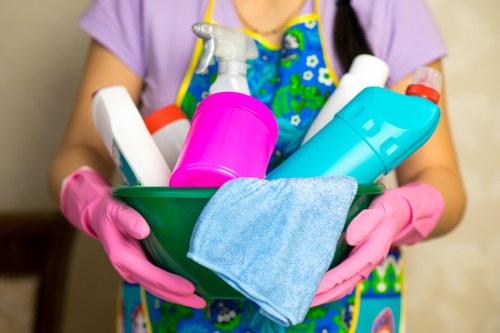
A dirty oven can influence much more than kitchen aesthetics. When grease and food residue burn repeatedly, they may produce smoke and foul smells that spread throughout your home. This can make everyday cooking unpleasant and can even leave your baked dishes with an unwanted aftertaste. Regular oven cleaning helps maintain a fresh, pleasant environment for cooking.
Another reason oven maintenance matters is energy efficiency. Heavy buildup can force your appliance to work harder to reach the desired temperature. When heat circulation is reduced by grime and debris, your oven may take longer to cook food evenly. That means more waiting, more energy use, and less reliable results. Keeping the interior clean allows heat to flow properly and supports better performance.
Safety is also a key concern. Excess grease and burnt residue can become a fire hazard if ignored for too long. Even if a serious problem does not occur, smoke and fumes created by old food debris can be irritating, especially in smaller kitchens. Routine oven cleaning reduces these risks and helps create a safer cooking space for your household.
Signs Your Oven Needs Attention

It is not always obvious when your oven needs more than a quick wipe. Some signs are easy to spot, while others develop gradually. One of the most common indicators is visible grime on the door glass, racks, or walls. If the bottom of the oven is covered with baked-on drips, or if the interior has a dark, sticky film, it is time to take action.
Unusual odors are another clear signal. If your oven smells burnt even when it is not in use, grease and food particles may be trapped inside. Smoke during preheating or cooking often points to old residue heating up again. In many cases, persistent smells are resolved by thorough oven cleaning rather than replacing parts or adjusting settings.
You may also notice cooking inconsistencies. Food may brown unevenly, take longer than usual, or develop hot spots. This can happen when grime disrupts airflow and heat distribution. If your appliance is showing these symptoms, scheduling a proper cleaning routine is a smart move. Small warning signs today can prevent bigger problems tomorrow.
Basic Tools and Products for Oven Cleaning

Successful oven cleaning begins with the right tools. You do not need a complicated setup, but a few reliable supplies will make the work easier and safer. Soft cloths, non-scratch sponges, a plastic or silicone scraper, a bucket of warm water, and rubber gloves are useful starting points. These items allow you to remove grime without damaging delicate surfaces.
Many people prefer natural cleaning solutions, while others use specialized oven degreasers. Baking soda and vinegar are popular for light to moderate buildup. Baking soda helps loosen grease, while vinegar can support a final wipe-down and remove lingering odors. For tougher deposits, an oven-safe commercial cleaner may be more effective. The best option depends on the condition of the appliance and the material inside.
When choosing cleaning products, always check the manufacturer’s instructions. Some ovens include self-cleaning functions, catalytic liners, or pyrolytic settings that require different care. Using the wrong product can damage coatings or leave residues behind. A thoughtful approach to oven cleaning helps preserve your appliance and ensures better long-term results.
Step-by-Step Oven Cleaning Approach
Before starting, switch off the oven and make sure it is completely cool. Remove loose trays, racks, and accessories so you can clean every surface properly. Place old towels or newspaper beneath the door to catch drips. Wearing gloves is also recommended to protect your hands from grease and cleaning agents.
Begin by clearing out crumbs and loose debris. A handheld vacuum or soft brush can help remove dry particles from corners and corners around the door seal. Next, apply your chosen cleaning solution. If using a paste made from baking soda and water, spread it across greasy areas and let it sit for several hours or overnight. This softens stubborn buildup and makes scrubbing easier.
After the solution has worked, wipe the interior with a damp cloth or sponge. For more resistant patches, use a plastic scraper carefully so you do not scratch the surface. Pay close attention to the door glass, the top and bottom panels, and the area around the fan if accessible. Finish by rinsing away residue and drying all surfaces with a clean microfiber cloth. Oven cleaning is often less about force and more about patience and proper technique.
How to Clean Oven Racks and Accessories
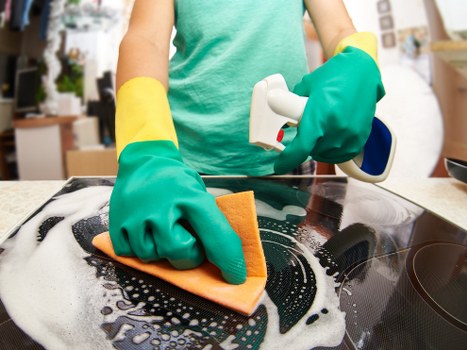
Oven racks often collect some of the toughest grease because they sit directly in the heat path. Removing them and treating them separately can make the entire process easier. Soaking racks in a bathtub, large sink, or utility basin filled with hot water and dish soap can loosen caked-on dirt. Add a little baking soda for extra grease-cutting power if needed.
Once the racks have soaked, scrub them with a non-abrasive pad or brush. Avoid wire brushes or harsh tools that could damage the finish. If residue remains, repeat the soaking process rather than applying too much pressure. After cleaning, rinse well and dry completely before returning them to the oven. This step helps prevent rust or water marks.
Accessories such as trays, pizza stones, and thermometers may need different care. Some can be washed by hand, while others should not be soaked or exposed to strong cleaners. Always read the product instructions before cleaning. Taking time with these parts supports a more effective oven cleaning routine and keeps all cooking surfaces in better condition.
Oven Door Glass: Restoring a Clear View
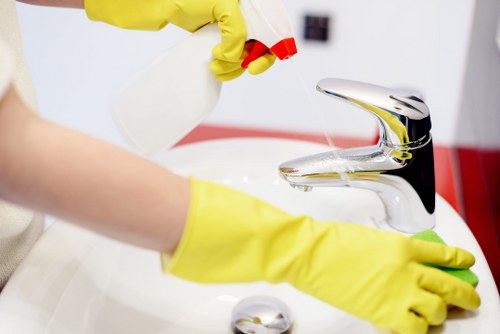
The oven door glass is one of the most visible parts of the appliance, and it often shows grime quickly. Splattered sauce, melted cheese, and grease can leave the glass cloudy or streaked. Cleaning this area improves appearance and also helps you monitor your food without repeatedly opening the door. That means more stable temperatures and better cooking results.
To clean the glass, use a mild solution first. A paste of baking soda and water can be applied with a soft cloth, then left to sit before wiping away. For greasy buildup, a gentle degreaser may be helpful. Always avoid abrasive pads, metal scrapers, or harsh powders that could scratch the glass. A clean, streak-free finish gives the appliance a much fresher appearance.
If the oven has a removable door panel or hidden inner glass, follow the manufacturer’s instructions carefully before attempting to clean inside. Some doors are designed for easy access, while others need specific steps to avoid damage. Proper oven cleaning includes every visible and hidden surface, and the door glass should never be overlooked.
Natural vs. Commercial Cleaning Solutions
Many homeowners prefer natural methods because they are simple, inexpensive, and less likely to leave strong chemical odors. Baking soda, vinegar, lemon juice, and warm water are common choices for routine maintenance. These products are especially useful for light grease and recent spills. They are also a good option for people who want a gentler approach to oven cleaning.
Commercial oven cleaners, on the other hand, are designed for heavy-duty grime. They can cut through thick, baked-on residue more quickly than household ingredients. For ovens that have been neglected for a long time, a commercial product may be the fastest route to a polished result. Still, stronger products should be used carefully and only in well-ventilated spaces.
The right choice depends on your needs. If you clean your oven regularly, natural solutions may be enough. If buildup has been left for months, a stronger formula may be necessary. In either case, the key is to follow instructions, protect surfaces, and rinse thoroughly after cleaning. A balanced oven cleaning strategy can combine both approaches over time.
How Often Should You Clean Your Oven?
The ideal cleaning schedule depends on how often you cook and what types of meals you prepare. For families who use the oven several times a week, a light wipe-down after spills and a deeper clean every one to three months may be appropriate. If you cook less frequently, you may not need to clean as often, but regular checks are still important.
Spill-prone dishes such as casseroles, roasts, pies, and cheese-heavy recipes tend to leave more residue. In those cases, a quick cleanup after each use can prevent buildup from becoming too difficult. This habit makes future oven cleaning much easier and saves time in the long run. Even a few minutes of maintenance after cooking can make a noticeable difference.
Self-cleaning ovens may reduce the need for manual scrubbing, but they still require attention. The self-cleaning cycle burns residue into ash, which still needs to be wiped away afterward. Racks and door glass may need separate cleaning, and the appliance should still be monitored for smoke or odor. Regular maintenance remains essential even with modern features.
Common Mistakes to Avoid During Oven Cleaning
One common mistake is using abrasive tools that scratch the oven’s surface. Metal scouring pads and sharp scrapers may seem effective, but they can damage coatings and make future cleaning harder. Gentle tools are usually safer and more practical for long-term appliance care.
Another mistake is applying too much cleaner at once. More product does not always mean better results. In fact, excess chemical residue can linger and affect food the next time the oven is used. The best approach is controlled application, enough dwell time, and a thorough wipe-down. This applies to both natural and commercial oven cleaning methods.
Skipping ventilation is also a problem. Even mild cleaners can release odors, and stronger products can produce fumes that should not be inhaled for long periods. Open windows, switch on the kitchen fan, and allow fresh air to circulate while working. Safe cleaning habits improve both the process and the outcome.
Benefits of Professional Oven Cleaning
While many homeowners manage routine maintenance themselves, there are times when professional help makes sense. A professional oven cleaning service can handle severe buildup, stubborn grease, and hard-to-reach areas more efficiently. This can be especially useful if your oven has not been cleaned for a long period or if previous attempts have not delivered the results you wanted.
Professionals often use specialized tools and products designed to break down heavy deposits without damaging the appliance. They can clean racks, trays, glass, seals, and interior components with care, leaving the oven in excellent condition. For busy households, this service can save significant time and effort while restoring performance. When your appliance needs a reset, expert oven cleaning can be a worthwhile investment.
Professional care can also be helpful before events, holidays, or seasonal cooking periods when your oven will be working harder than usual. If you want to ensure reliable performance and a spotless finish, it may be worth scheduling service rather than tackling the job alone. Book your service now if you are ready for a fresh, efficient kitchen appliance.
Maintenance Tips to Keep Your Oven Cleaner for Longer
Preventing heavy buildup is easier than removing it later. One of the simplest habits is wiping spills as soon as the oven cools. Fresh residue is much easier to remove than burnt-on grease. If you notice a drip after baking or roasting, address it before it hardens.
Using oven liners or baking trays can also help reduce mess, as long as they are safe for your appliance. Placing dishes on a lower tray can catch drips and limit direct contact with the oven floor. Another useful habit is covering foods that splatter, such as casseroles or marinated meats, to reduce cleanup. These small actions support effective oven cleaning and minimize daily effort.
It is also smart to inspect the door seal, vents, and surrounding surfaces regularly. Grease can migrate beyond the interior and settle on handles and control areas. A quick wipe of these exterior parts keeps the entire appliance looking neat. Consistent maintenance makes deep cleaning less intimidating and helps your oven stay in better shape over time.
When Oven Cleaning Becomes a Priority
There are moments when oven maintenance should not be delayed. If smoke fills the kitchen, grease is visibly dripping, or the interior has layers of charred residue, action is needed promptly. Leaving the issue unresolved may worsen odors, affect food quality, and increase safety risks. In these situations, prompt oven cleaning is more than cosmetic; it is practical and preventative.
Homes with frequent baking or roasting activity may notice buildup faster than others. Large families, home cooks, and entertainers often place greater demands on their appliances. If your oven is part of daily life, treat it as an essential kitchen tool that deserves regular care. Clean equipment is more dependable and more pleasant to use.
Even if your oven appears to be functioning normally, a proactive cleaning routine pays off. The appliance stays efficient, the kitchen smells fresher, and your meals are less likely to pick up unwanted burnt flavors. A clean oven supports a cleaner cooking experience.
Final Thoughts on Keeping Your Oven in Top Condition
Effective oven cleaning does not have to be overwhelming. With the right tools, a practical schedule, and a little consistency, you can keep your appliance looking and performing well. Whether you prefer natural methods, stronger cleaning products, or professional assistance, the goal is the same: remove residue before it becomes a bigger problem.
Regular care helps preserve efficiency, reduce odors, improve safety, and extend the life of your oven. It also makes cooking more enjoyable because you can focus on preparing food instead of dealing with smoke, stains, or stubborn buildup. By paying attention to the small signs and responding early, you protect both your appliance and your kitchen environment.
If your oven has been neglected for a while or you simply want a spotless finish without the hassle, do not wait until the mess becomes unmanageable. Contact us today to arrange expert help or take the next step toward a cleaner, fresher kitchen. Book your service now and enjoy the confidence that comes with a well-maintained oven.
Quick Oven Cleaning Checklist
- Cool the oven completely before starting.
- Remove racks, trays, and accessories.
- Clear loose crumbs and debris first.
- Apply your chosen cleaning solution and allow dwell time.
- Wipe interior surfaces carefully with soft cloths.
- Clean the oven door glass separately.
- Wash racks and accessories thoroughly.
- Dry all parts before reassembling.
- Ventilate the kitchen during and after cleaning.
- Repeat maintenance regularly to prevent heavy buildup.
Helpful Reminders for Better Results
Keep in mind that successful oven cleaning is usually a combination of preparation, patience, and the right technique. Rushing the process may leave residue behind, while a careful approach delivers better, longer-lasting results. If a cleaner or method is not working, allow extra time rather than scrubbing aggressively.
Also remember that different oven models may require specific care. Self-cleaning systems, enamel interiors, and special glass finishes can all have unique instructions. When in doubt, review the appliance manual before choosing a product or method. This helps avoid damage and ensures you are using the safest approach possible.
What to do if residue remains
If stubborn spots remain after your first cleaning attempt, repeat the process with a longer soak or a more suitable degreasing product. Heavy buildup rarely disappears instantly, especially if it has been accumulating for a long time. Persistence, not force, usually gives the best outcome in oven cleaning.
Final tip
Try to treat oven care as part of your regular kitchen routine rather than an occasional emergency task. Small, consistent efforts make the job easier, more affordable, and more effective in the long run. With the right habits, your oven can stay cleaner, safer, and more reliable for years to come.